Introduction
In a world where every percentage of energy and focus counts, napping has become the cornerstone of recovery and performance for elite athletes, executives, students — and anyone who wants to push their mental or physical limits.
However, sleeping well isn't enough... You still need to master the subtle art of scientific napping: used by Navy SEALs on operations, popularized by Elon Musk or Serena Williams, endorsed by NASA, optimized napping now relies on decades of research, advanced protocols and cutting-edge technology.
Ready to transform 20 minutes of rest into a decisive advantage? This comprehensive guide reveals:
- 10 advanced protocols and their clinical studies
- Modern levers to personalize your recovery (light, music, AI, gadgets...)
- Mistakes to avoid to prevent any counter-performance
- Preparation and wake-up routines (power-up)
- A scientific FAQ to dispel all persistent myths
1. Advanced Nap Protocols: Game-Changing Techniques
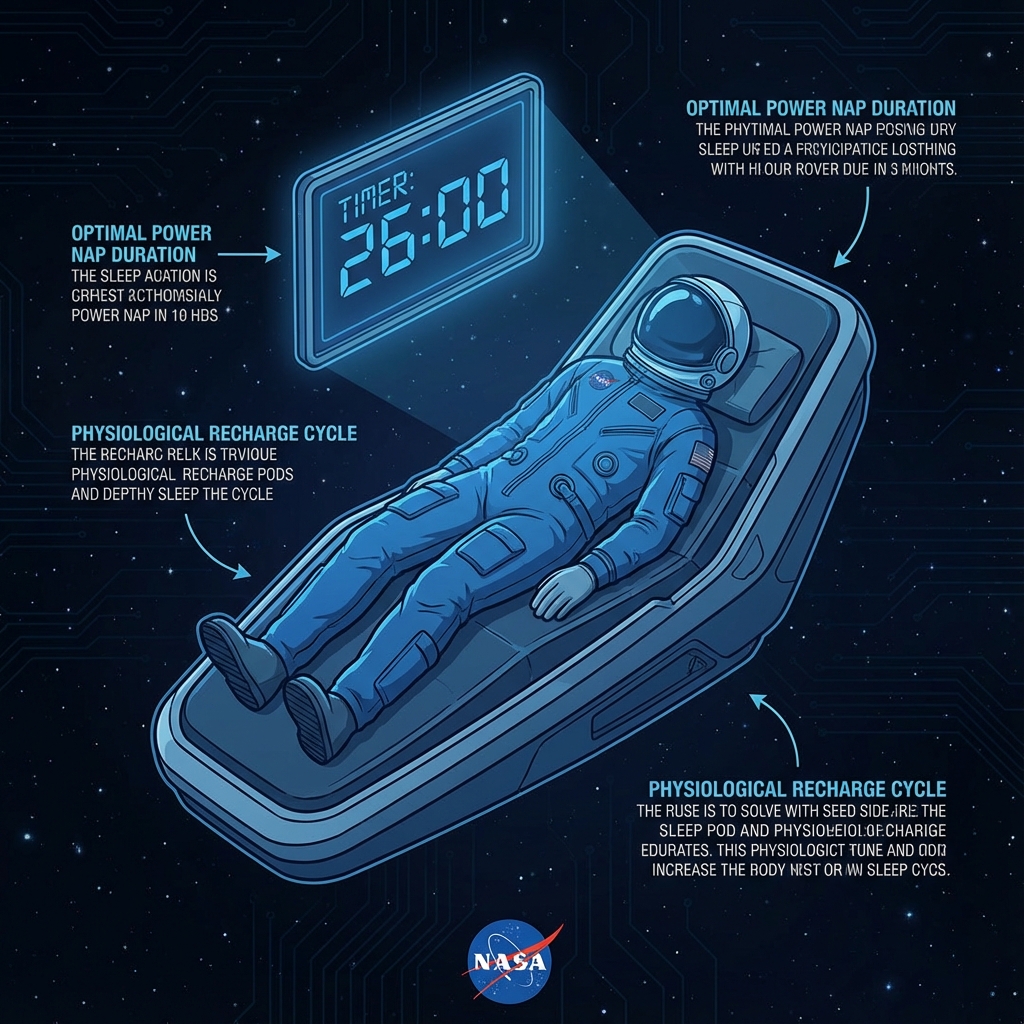
1.1 The NASA "Power Nap" (26 Minutes for Maximum Alertness)
In 1995, NASA, in partnership with the FAA, conducted a groundbreaking study: a nap precisely timed at 26 minutes increases alertness by 54% and improves performance by 34% in long-haul pilots. Since then, this timing has become the reference for pilots, emergency responders, military personnel and now hyper-solicited executives.
How to apply it:
- Set an alarm 27 minutes after lying down (1 minute for settling)
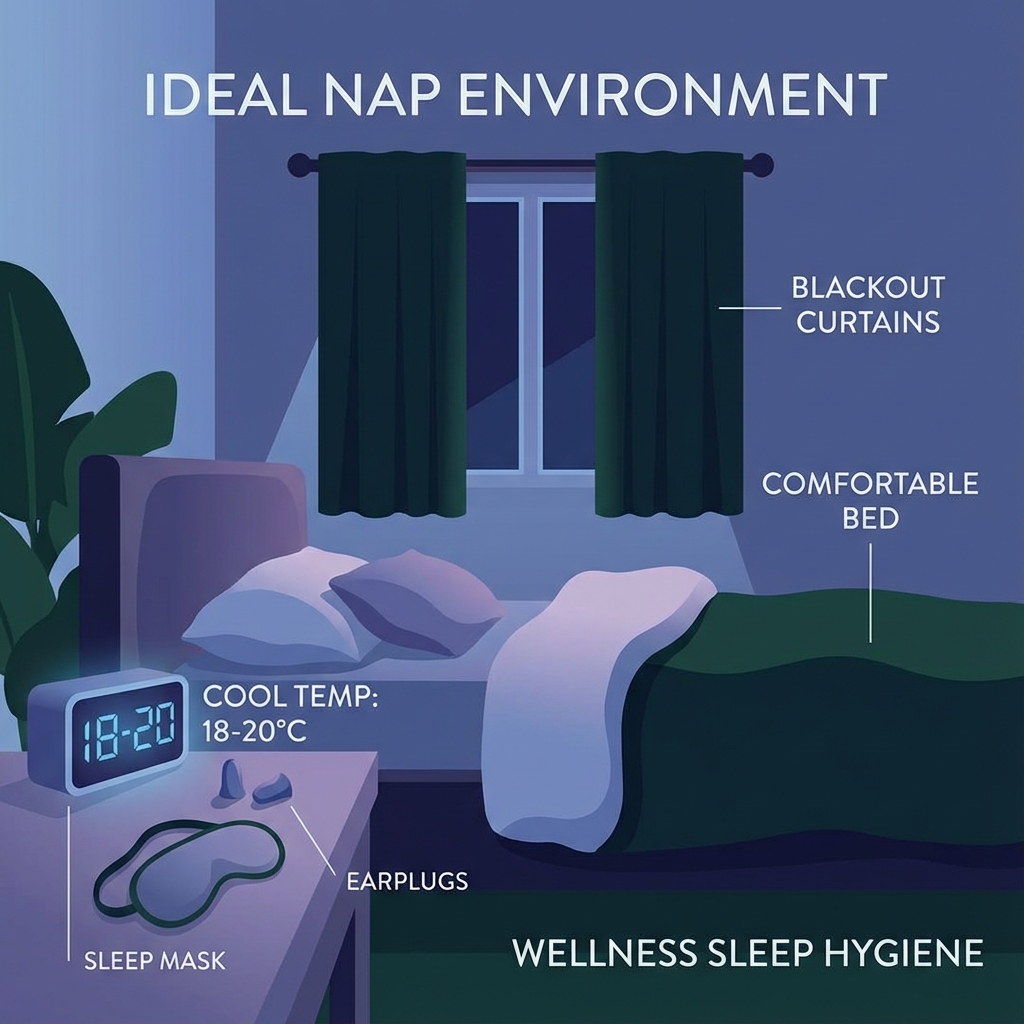
- Isolate yourself in a dark, temperate atmosphere (64-68°F / 18-20°C)
- Use a sleep mask and, ideally, earplugs
- Upon waking, mobilize slowly: hydration, bright light, gentle movement
1.2 The "Coffee-Nap" Method: The Art of Double Boost
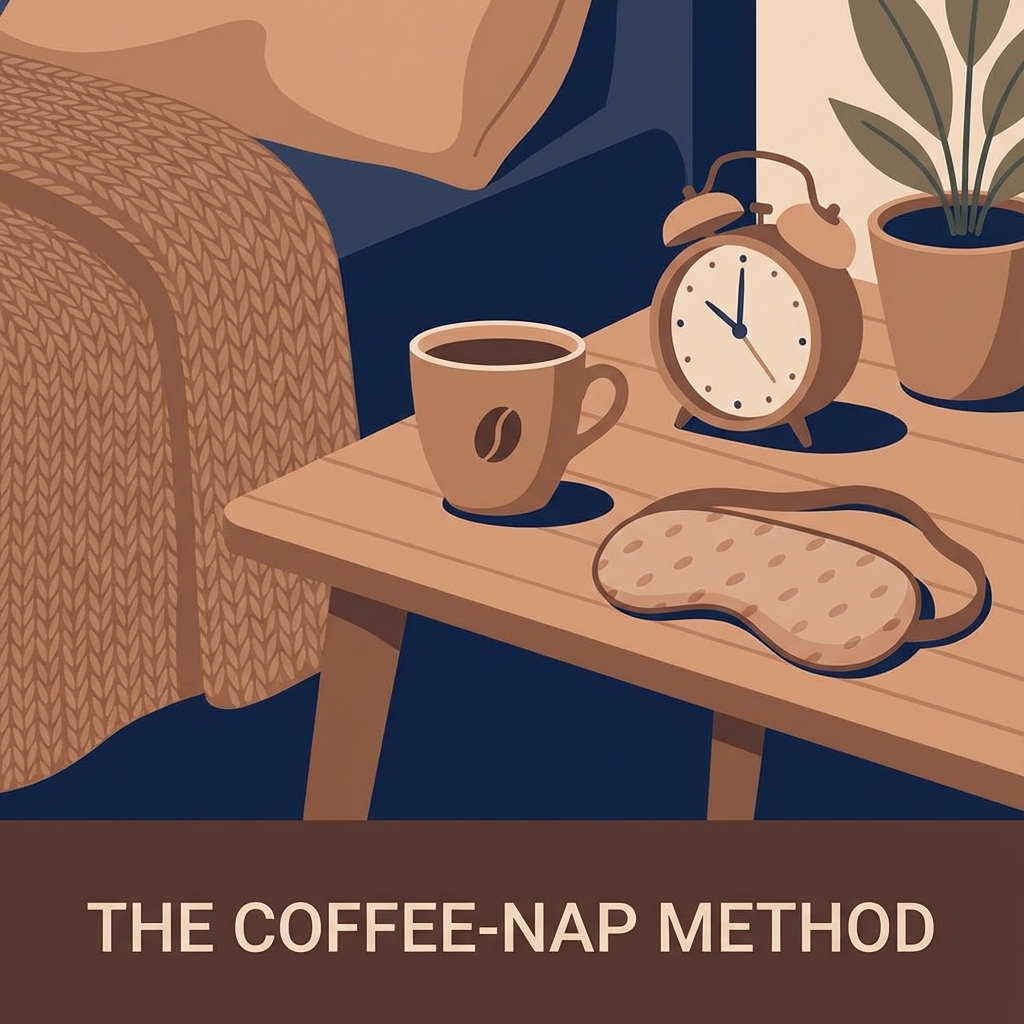
A concept validated by Japanese research, the coffee-nap involves drinking an espresso (100-200mg caffeine) then sleeping for 20 minutes. The caffeine, absorbed after 20-30 min, combines with the immediate recovery from the nap for a multiplied alertness effect (x2 on reflex and vigilance tests).
Steps:
- Drink coffee quickly without distraction
- Settle in for a nap of max 20 minutes
- Waking up coincides with peak caffeine absorption
- Cognitive power and immediate energy guaranteed
1.3 Military Polyphasic Sleep (Uberman/Navy Seal Protocol)
Extreme and reserved for constrained contexts, polyphasic napping divides sleep into multiple blocks (e.g., six 20-minute naps/24h). Used by some military personnel during extended missions, this protocol maintains vigilance and efficiency in emergencies, but requires two to three weeks of adaptation and strict medical supervision.
- Adaptation is difficult (fatigue, irritability, possible immune decline)
- Reserved for short-term and ultra-demanding contexts (not for the general population)
- Negative impact often outweighs gains outside an operational framework
1.4 "CEO Power Nap": Optimized Office Nap
Popularized by major executives (Jeff Bezos, Tim Cook...), this quick nap combines:
- 10-15 min of rest
- 3 to 5 min of cardiac coherence or guided meditation beforehand
- Gradual return to activity through a "wake-up routine" (light, movement, cool drink)
Advantage: ideal between two meetings for an immediate boost without disrupting sleep schedule; beneficial against post-meal attention drop.
1.5 Sleep Optimization Protocols (Breathing, Suggestion, TOP Methods)
In 2025, military "TOP" protocols (Techniques for Potential Optimization) are opening to the public: progressive muscle relaxation, controlled breathing, hypnotic suggestion. Using these methods during naps increases the proportion of deep sleep (stage 3) and optimizes recovery for the same duration.
Application:
- 4/7/8 breathing (inhale 4s, hold 7s, exhale 8s)
- Mental body scan, sequential muscle relaxation
- Positive visualization to disconnect the mind
Proven effects: faster falling asleep, increased slow-wave sleep, reduced wake-up inertia, amplified cognitive benefits.
1.6 Hygiene and Gadgets for Napping 4.0
- White noise apps, guided relaxation (extended phase 2 sleep)
- Smartwatches and sleep trackers to program optimal wake-up (end of a cycle)
- Thermoregulated mattresses, light-blocking masks
- Local cryotherapy devices to increase post-effort recovery
2. Securing Success: Optimizing Environment and Routine
2.1 Preparing the Ground
- Total darkness: stimulates melatonin secretion (faster and deeper falling asleep)
- Temperature: 64-68°F (18-20°C): ideal temperature validated by research to activate natural sleep mechanisms
- Avoid blue light (screens) 30 minutes before
- Position: semi-reclined, ideally on your back or side (avoid napping slouched on a couch: bad for the spine)
2.2 Winning Rituals
- Fixed routine: nap every day at the same time (1-3 PM ideal according to circadian rhythms)
- Prepare wake-up: 5 to 10 minutes to return to calm, daylight, glass of cool water
- Follow with gentle movement (stretching, light walking) to reactivate the brain and avoid inertia
3. The 7 Mistakes That Sabotage Your Nap (and How to Avoid Them)
- Exceeding 30 minutes on weekdays
Risk: sleep inertia, decreased post-nap reactivity. - Napping after 4 PM
Sabotages your internal clock, harms nighttime sleep. - Sleeping on a couch (or in prolonged seated position)
Non-physiological posture, cervical and lumbar tension, impaired recovery. - Being exposed to sudden noises during the nap
Sleep fragmentation, no restorative effect. - Absence of wake-up phase
Getting up abruptly promotes drowsiness and attention loss. - Napping under bright light or in an unsuitable area
Melatonin secretion hindered, difficult falling asleep. - Neglecting hydration before/after
Dehydration slows cognitive and muscular recovery.
Solution: analyze your context and anticipate each point. A poorly controlled environment ruins the benefits, even of a short nap.
4. Personalized Optimization: Adapting the Nap to Your Profile
4.1 Students and Professionals: The "Smart Nap" for Memory and Creativity
Favor a 20 to 30-minute nap right after lunch. It allows anchoring morning learnings and improves memorization by up to 40% according to the latest studies. Ideally: complete learning important information just before the nap.
4.2 Entrepreneurs/CEOs: The Active Mini Nap
Timing: 2-3 PM or just before a key meeting — 10 to 15 minutes of rest with eyes closed, possibly combined with the "coffee-nap" method. Attention and energy recovery, immediate concentration gains.
4.3 Athletes: Double Nap and Physical Recovery
- Short nap (<30 min) in early afternoon: attentional and cognitive boost
- Long nap (90 min) after intense session or competition: body recovery, inflammation reduction, optimized if followed by local cryotherapy
4.4 Night Workers and Shift Schedules: Fragmented Naps and Light Therapy
Regular micro-naps (10-20 min) at strategic times: just before or after the vigilance low point, using light therapy lamps to realign the internal clock and limit sleep debt.
5. Sample Protocols to Test (Day-Type Plans)
| Profile | Nap 1 | Nap 2 | Optimization Rituals |
|---|---|---|---|
| Student | 1:00 PM – 1:20 PM | — | Immediate learning before |
| Manager/Entrepreneur | 2:00 PM – 2:15 PM | 6 PM (if long day) | Coffee-nap |
| Athlete | 1:00 PM – 1:25 PM | 5-6 PM (90 min, rest) | Post-nap cryotherapy |
| Night shift | 9:00 PM – 9:10 PM | 4:00 AM – 4:20 AM | Light therapy on waking |
6. Innovations and Technologies: Napping 2025
6.1 Artificial Intelligence and Tracking
Latest-generation smartwatches monitor sleep phases in real-time and trigger wake-up at the best moment, limiting sleep inertia.
6.2 Controlled Environment
Memory foam cushions, automated blackout curtains, sound ambiance set via apps — everything contributes to making each nap a performance laboratory.
6.3 Nutrition and Supplements
Micro-doses of melatonin, adaptogenic teas or supplements to boost GABA production, while respecting professional advice and scientifically validated doses.
7. Scientific FAQ: Still Have Doubts?
Q. Can naps replace a bad night's sleep?
A. No: naps partially restore attention and memory, but nighttime sleep remains essential for major biological functions (toxin elimination, growth, repair).
Q. How to avoid the groggy feeling (sleep inertia)?
A. Favor short naps (<30 min) and take 5 to 10 minutes of natural light exposure upon waking, drink a glass of cool water, mobilize gently.
Q. What time is the nap most beneficial?
A. 1 PM to 3 PM: it's the natural circadian "dip" in alertness for 80% of the population.
Q. Do children or elderly people have the same nap needs?
A. No. Children and teens benefit more from long naps; after 60, they become essential for memory and preventing cognitive risk, even in short form.
Q. What's the difference in benefits between short and long naps?
A. Short nap = speed, attentional boost, daily practice; long nap = deep regeneration and muscle recovery, risky if frequent during the week (nighttime sleep disorder).
8. Myths and Misconceptions Debunked
- "Napping makes me lazy!" → False: it boosts productivity, proven by more than 50 clinical studies.
- "I don't have time..." → 10 min is enough to restore 2h of alertness.
- "If I sleep in the afternoon, I won't be able to sleep at night." → Only if nap >30 min and taken after 4 PM.
9. Ultimate Optimization Checklist
- Schedule your nap between 1 PM and 3 PM
- Prepare a dark, cool, noise-free atmosphere
- Choose a protocol adapted to your context (NASA, coffee-nap, TOP...)
- Always take 5 min to wake up without stress
- Note the results in a journal to adjust and personalize your strategy
10. Conclusion: Master the Nap, Master Your Performance
In 2025, optimized napping is no longer a luxury but the new frontier of human performance. By integrating routines, protocols, technology and individual adaptation, each micro-break becomes an investment in memory, creativity, physical recovery and general well-being.
Don't wait any longer to switch to scientific napping: test a protocol this week, share your results, and weave a new performance ecosystem around your daily routine.